Kawai vs Yamaha Pianos
6th August 2026
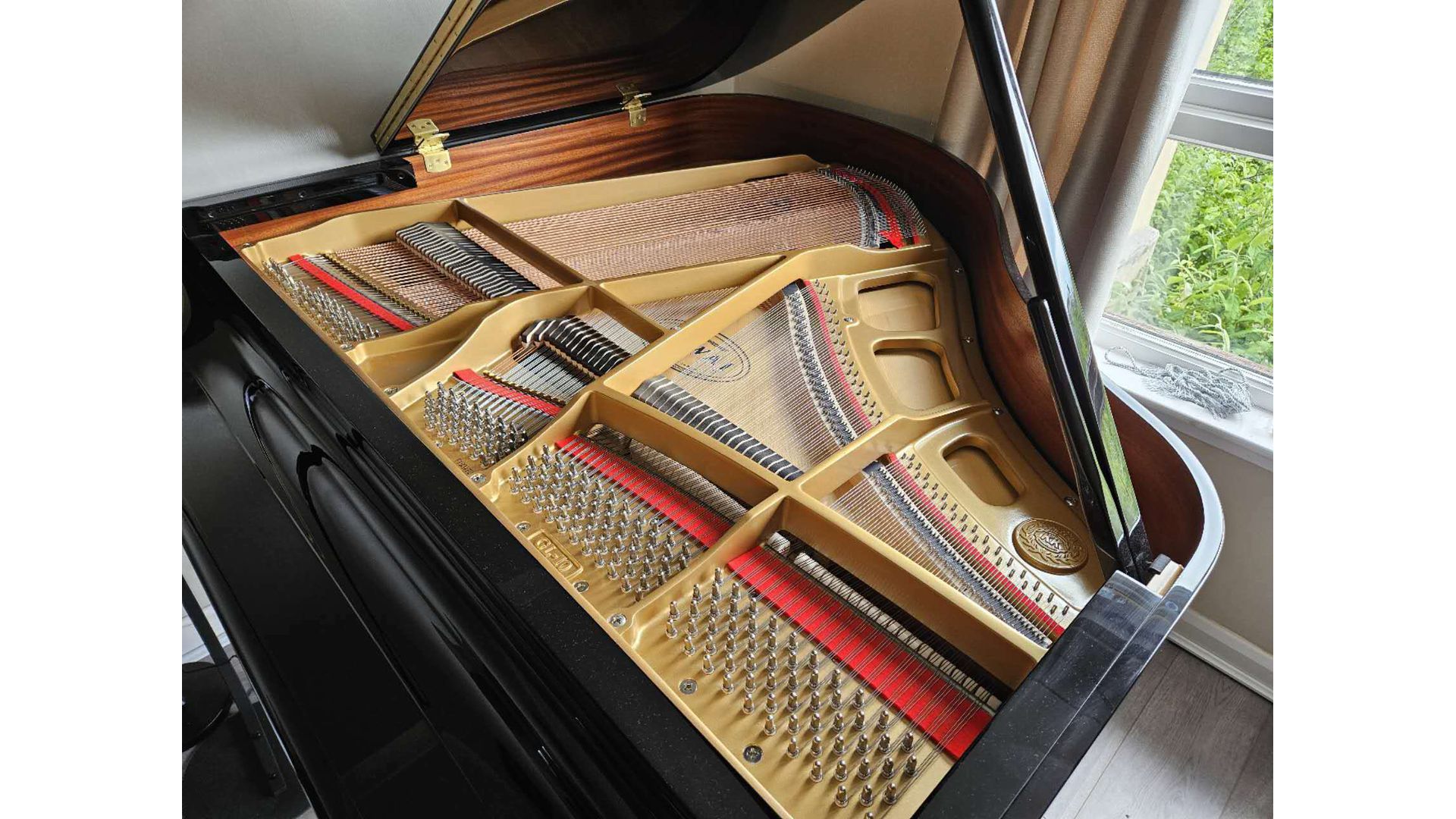
In the market for a Japanese piano? Two of the biggest brands to come out of Japan include Kawai and Yamaha. There’s a temptation to group them together due to their geographical origins, but this would be a mistake.
These legendary piano makers have taken profoundly distinct approaches to their craft, which ensures consumers have a real choice on their hands when deciding between the two.
In the simplest terms, Yamaha pianos are known for their bright tones and precise mechanical quality, while Kawai are known for warmer sounds and their commitment to innovation, including the carbon-fibre action first released in 2002.
For beginners and advanced players alike, both Kawai and Yamaha offer something for every stage of the piano-playing journey. This is why deciding between the two can be so challenging.
Often the best approach is to not focus on their technical differences, but to instead play them side by side and see which connects most with your playing style. But if you’re really curious about the technical differences, read on…
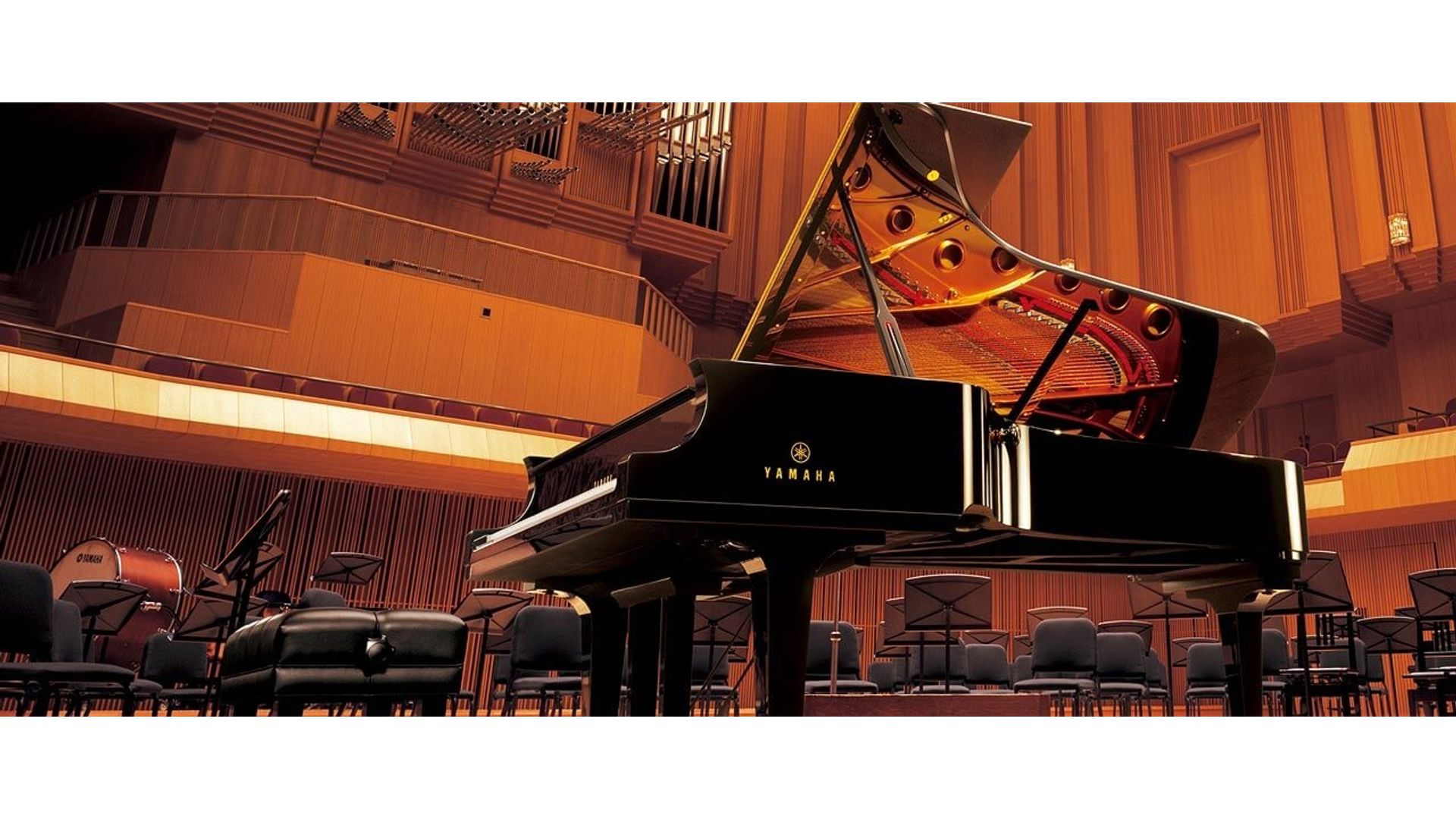
Key differences: Kawai Vs Yamaha
The main differences between the Kawai and the Yamaha collections can be found in the tone and the action technology.
Tone differences
Yamaha pianos are traditionally bright and clean with a punchy sound that offers excellent projection. In contrast, the Kawai pianos are widely considered to be much warmer and richer. They offer a more rounded tone, with impressive harmonic resonance. Neither is better than the other, and it’s really down to your personal preferences and playing style.
Touch differences
Kawai and Yamaha use different materials for their actions, which has an impact on the responsiveness. Kawai is known for its Millenium III action, which is crafted from ABS-Carbon composites. This is incredibly lightweight and strong, and it also resists humidity changes and offers a faster key repetition speed.
In contrast, Yamaha is known for sticking with tradition with an all-wood mechanical action. This is best known for its direct response and durability, which could mean that a Yamaha piano might retain its value for longer.
Longevity differences
Build quality is largely the same across the Kawai and Yamaha product range, so it would be difficult to say that one is better than the other in any respect. Both are exceptionally high quality, thanks to the high manufacturing standards in Japanese factories.
Choosing between acoustic and digital models
Perhaps more important than your choice between a Kawai or a Yamaha piano is the choice between an acoustic or a digital piano. Both offer benefits, with digital pianos able to replicate the sound and feel of an acoustic piano so vibrantly that it hardly seems worth opting for an acoustic piano in 2026.
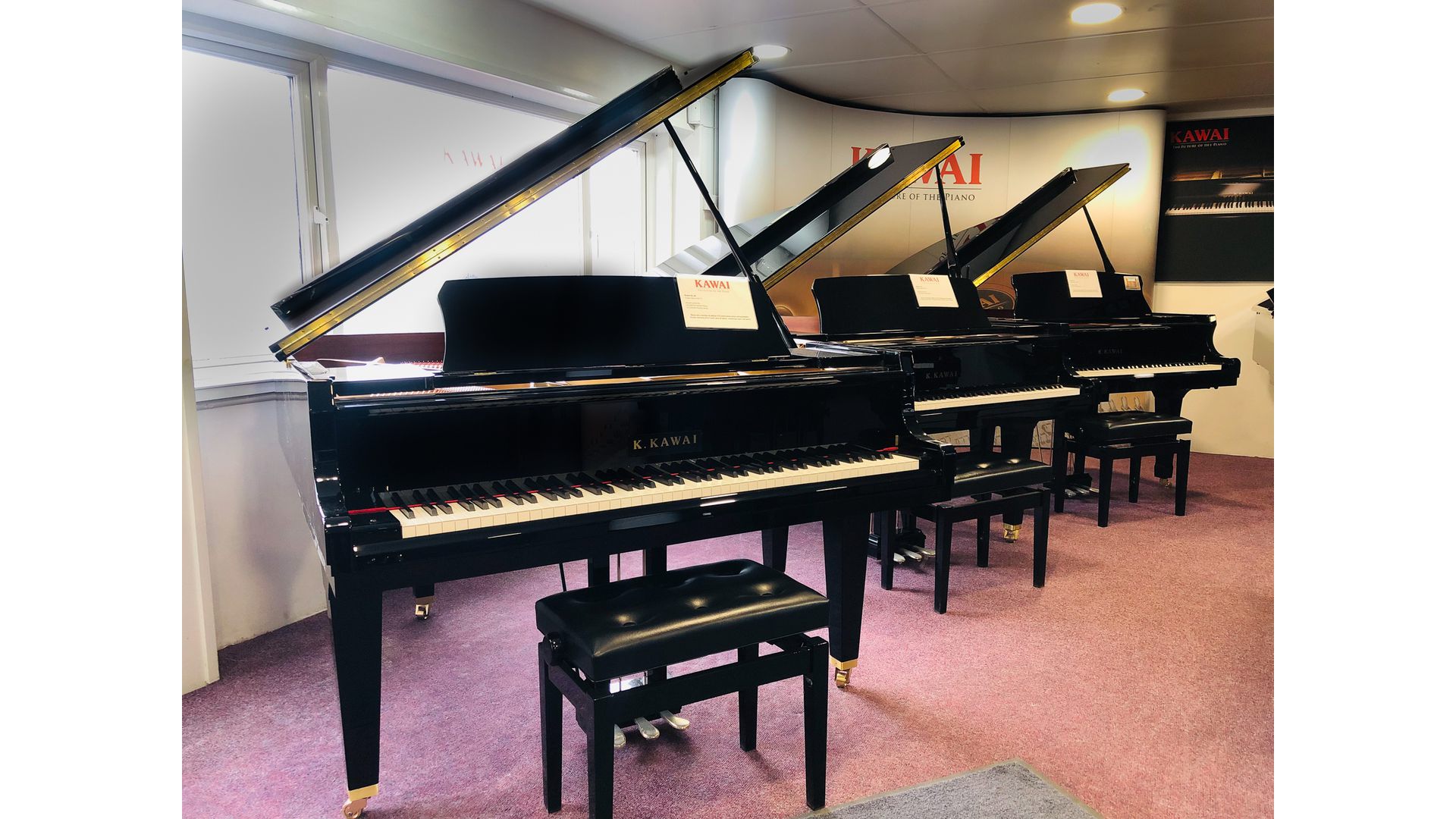
The exception would be when choosing a grand piano for a performance space or a statement space in your home. Both Kawai and Yamaha offer a range of baby grand and grand pianos that would fit the bill. Consider the Yamaha A1 or the Kawai GL-10, for example.
Finding the right piano for you
The quest to find the right piano for your stage in your piano journey can be complex, but also highly rewarding. In playing different pianos, you’ll learn more about your playing style and your preferences for sounds.
Modern digital pianos are able to replicate the sounds of classic grand piano halls, offering a versatile playing experience. This is further enhanced by app connectivity and the option to add headphones to silence your playing. Look for a digital piano with furniture-like cabinetry if you’re searching for a statement piano for your home that doesn’t compromise on sound, playing experience or durability.
You may also be interested in...

Yamaha Digital Piano vs Clavinova Guide
August 26, 2026

Best Digital Piano for Beginners UK
August 20, 2026

Selling Your Piano: Private Sale vs Trade-In
May 23, 2025