Upright Piano Buying Guide
8th September 2026
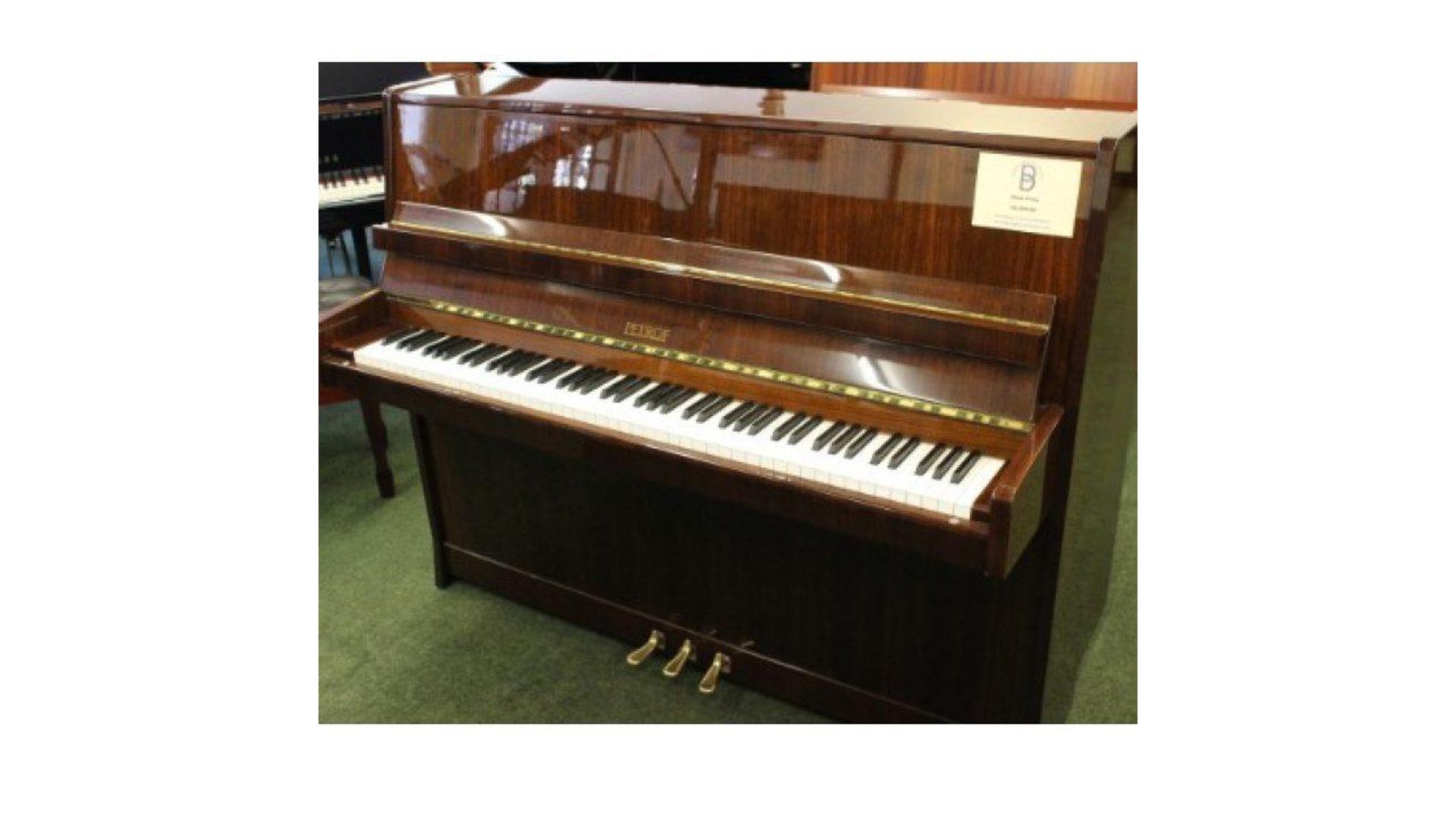
An upright piano can transform your playing experience, allowing you to enjoy a richer and more expressive instrument. Upright pianos will bring you joy for years to come, so it’s vital to do your research and find the right piano for your home.
The best way to choose the right upright piano for your playing style would be to try them out. With subtle differences between different models, it’s essential that you take the time to try each option before you make a final decision.
In this short guide, we’re sharing some of the best upright piano buying tips that you need to consider. We’ll also share a range of upright piano recommendations for every budget, including entry-level, intermediate and premium range options.
What is an upright piano?
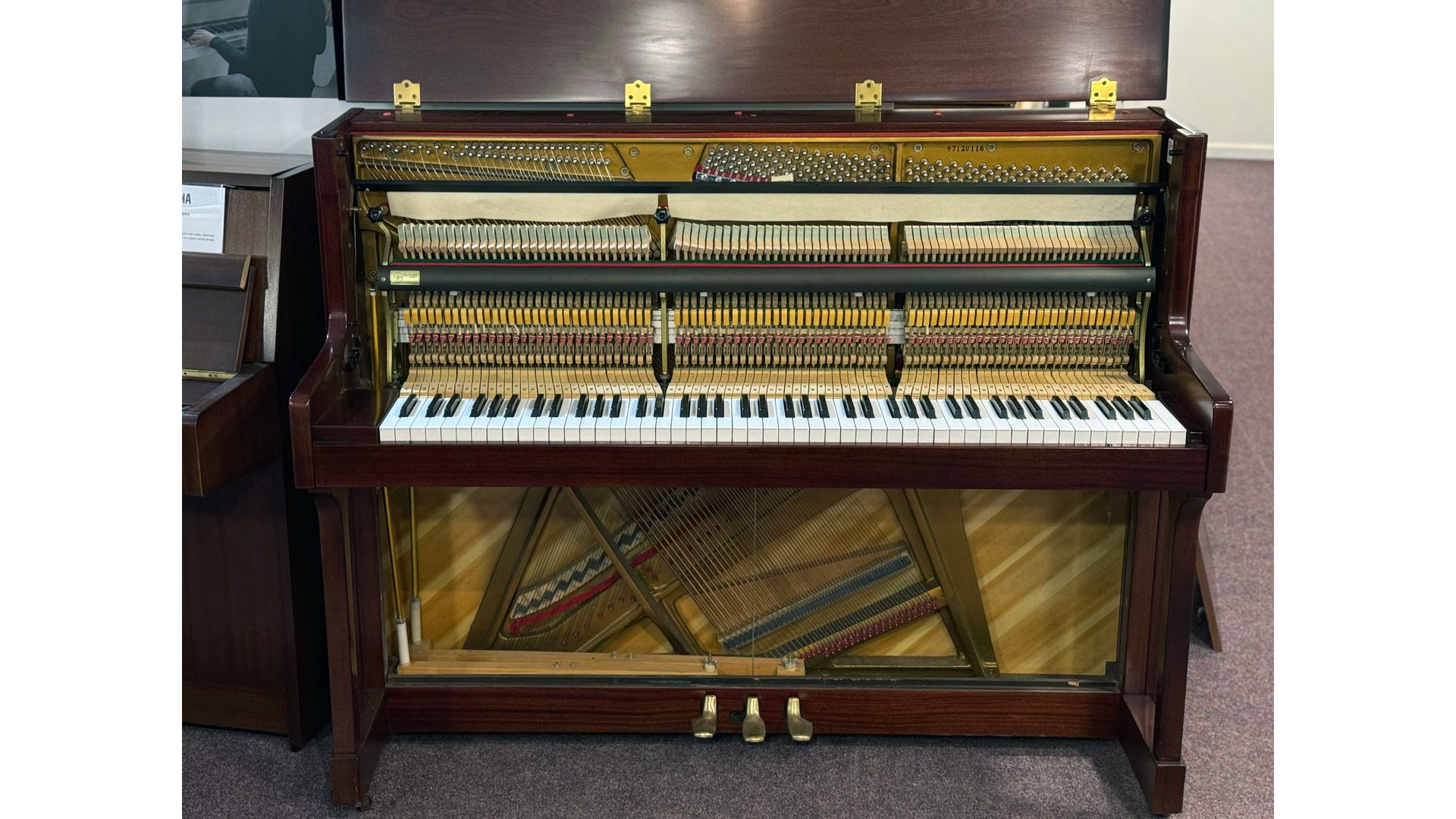
An upright piano is an acoustic piano with a vertical soundboard and strings. Rather than laying flat, like in a grand piano, an upright piano features a vertical layout that helps to save space.
This takes up much less space than a traditional grand piano, but the player still gets to enjoy the full 88 keys and rich acoustic tones. It’s an ideal choice for a home where space is more limited. An upright piano can be placed against a wall, rather than being placed in the centre of a room.
Since the hammers cannot rely on gravity to reset, they need to rely on springs, which is another moving part that may require maintenance.
There are four height categories for an upright piano:
Spinet – The shortest model, usually around 36-40 inches tall with an action positioned below the keys
Console – Another compact model, usually around 40-44 inches tall, with an action positioned just above the keys.
Studio – A taller instrument, usually around 45-47 inches tall, commonly found in schools.
Full upright – The full sized instrument, often 48 inches or taller, with a larger soundboard and longer strings that more closely resembles the sound of an upright piano.
Most people will be looking for a studio or a full upright piano for their home. Remember that choosing an upright piano means that you won’t have the option for quiet play. If you need to be able to practice in peace, then a compact digital piano might be better suited to your needs.
What to look for when buying an upright piano
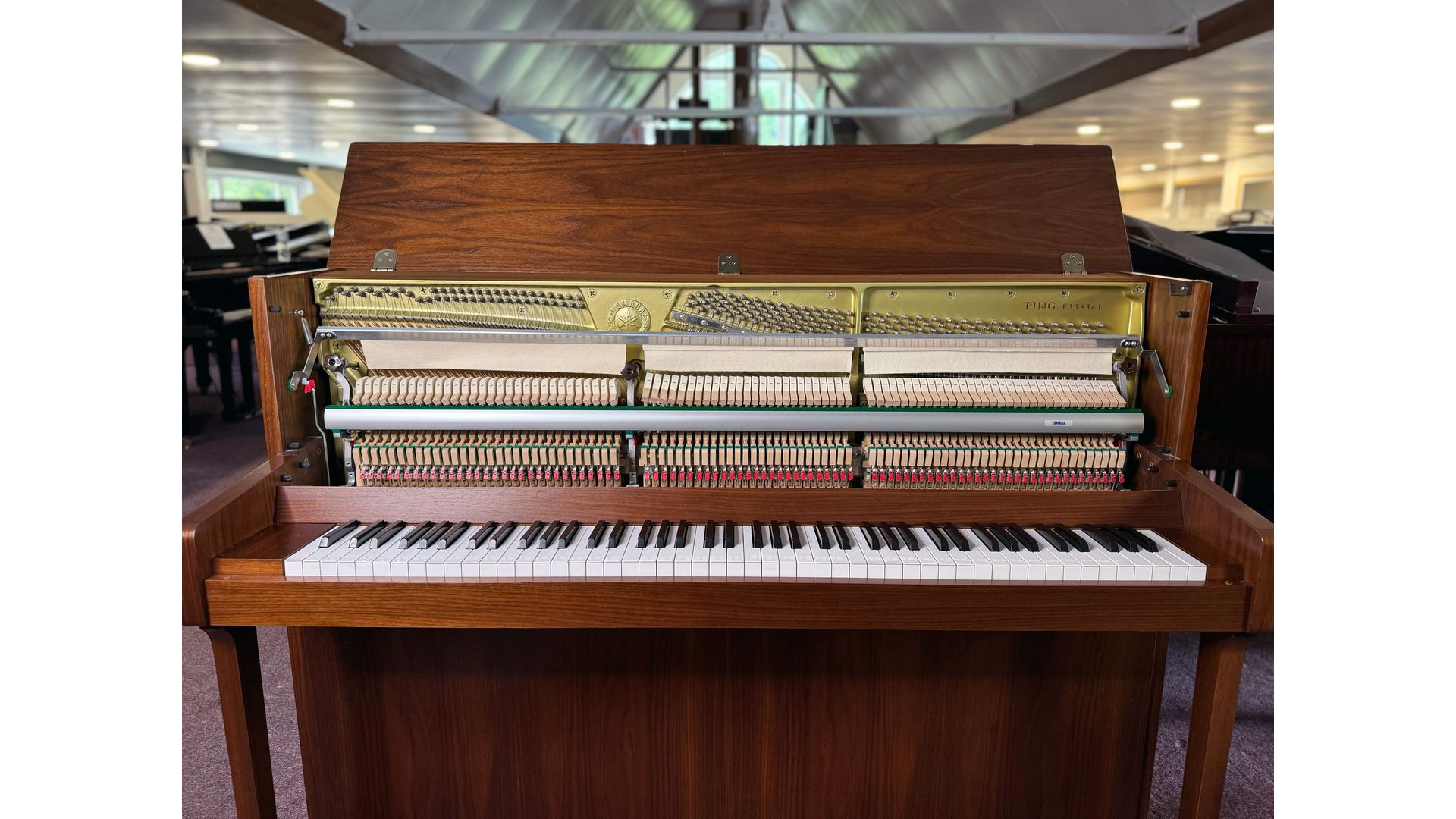
There are three main things to consider when shopping around for an upright piano. These factors will impact the sound and playing experience more than anything else.
The height and the soundboard
The height of the piano will dictate the size of the soundboard, and a larger soundboard produces a dramatically richer sound. If you’re looking for a more dynamic range, then you need a larger piano with longer strings. If you’re more concerned with the size of the instrument than the sound produced, then a smaller studio piano should be sufficient.
Piano action
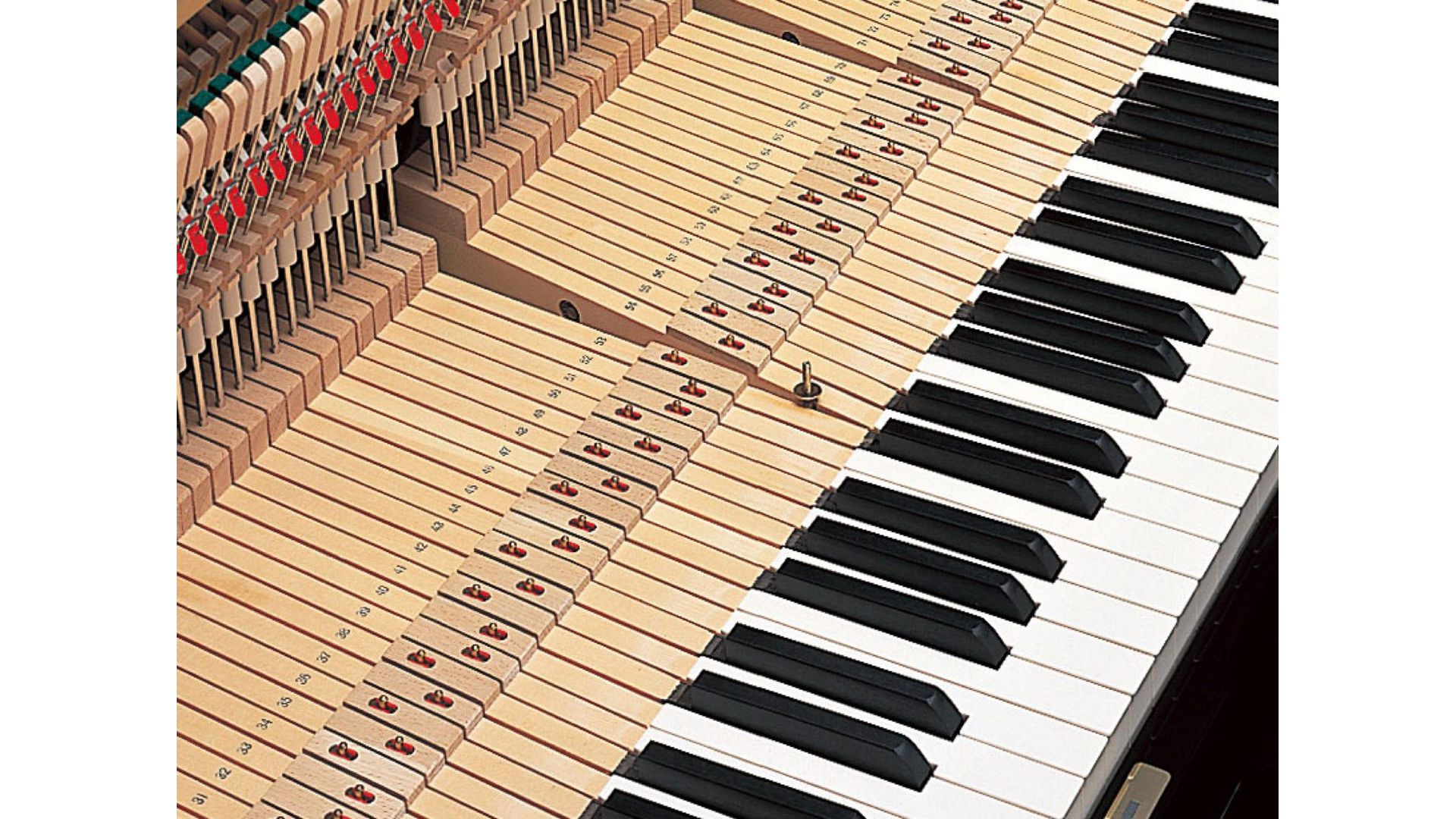
Piano actions are commonly made from wood and composite materials. The main difference between an upright piano and a grand piano is the configuration of the strings and the hammers. In an upright piano, we can’t rely on gravity to control the action, so it instead uses a set of springs to replicate the internal mechanism. Both offer excellent responsiveness, but it’s important to test each key to ensure it offers an even and predictable feel.
Tuning stability
Temperature changes and humidity can have a huge impact on the soundboard of your piano. With high-grade soundboard ribs and seasoned pinblocked, the internal mechanism will hold up much better to temperature and humidity changes. This can help to save on maintenance costs, as changes to the soundboard will require a tuning adjustment.
Buying new versus second hand
It’s often easy to find second hand upright pianos, with many people willing to let them go for free to anyone who is willing to transport them. While this might sound like a great way to save money, you should also consider the maintenance costs of an older instrument.
Any time you move a large instrument into a new space, it’s going to need time to settle and then it will require tuning. Older instruments are also more likely to face issues which could be very costly to fix. If you’re serious about playing and aren’t just looking for a piece that fills a space in your home, then a new piano will always be the best option.
The exception would be buying a quality used piano, which can allow you to get your hands on a much more expensive model for a fraction of the usual cost. With Broughton Pianos, you can shop a wide range of incredible used pianos that are fully tested and available to test in store, so you can find the ideal upright piano for your home.
Upright piano models for every budget
Now on to the recommendations. These are all full size upright piano models, with a full-sized soundboard.
Entry level
The Yamaha B1 upright piano is an entry level upright piano with compact cabinetry but surprisingly rich tones. It offers the signature Yamaha brightness that novice players love.
Mid-level
The Kawai K300 is a premium piano from a lesser-known brand. It offer exceptional sound quality with its iconic Millenium III action that uses ABS-carbon for added durability.
Premium-level
The Bechstein Academy A2 upright piano looks as good as it sounds. It features an optimised soundboard with C. Bechstein hammerheads for a larger, dynamic range.
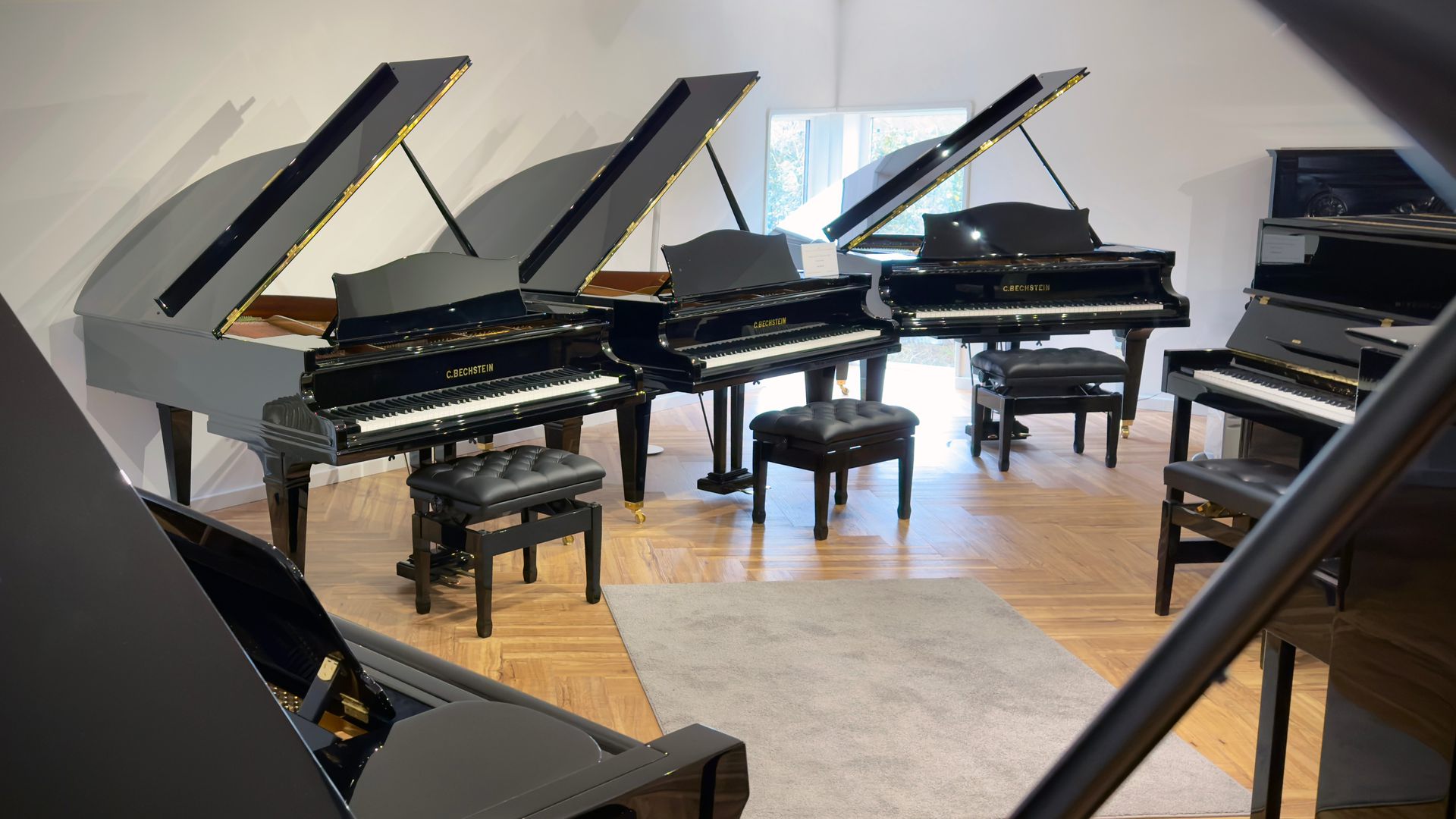
Visit our showroom
If you’re not sure which model is right for you, we encourage you to visit our showroom to try them out. It’s essential to find the right match for your playing style, as online descriptions can only say so much. Every player is different, and what works for you might not work for another player.
Visit our showroom to see the wide range of new and quality used instruments available. We’re always updating the stock, so you might stumble across something that you had never considered before.
You may also be interested in...

Baby Grand Piano Buying Guide
September 21, 2026

Steinway Piano Price Guide UK
September 15, 2026

Yamaha Digital Piano vs Clavinova Guide
August 26, 2026